


Making health inequalities visible: how big data exposes health inequalities in migrant communities
- Posted:
- Written by:
- Categories:
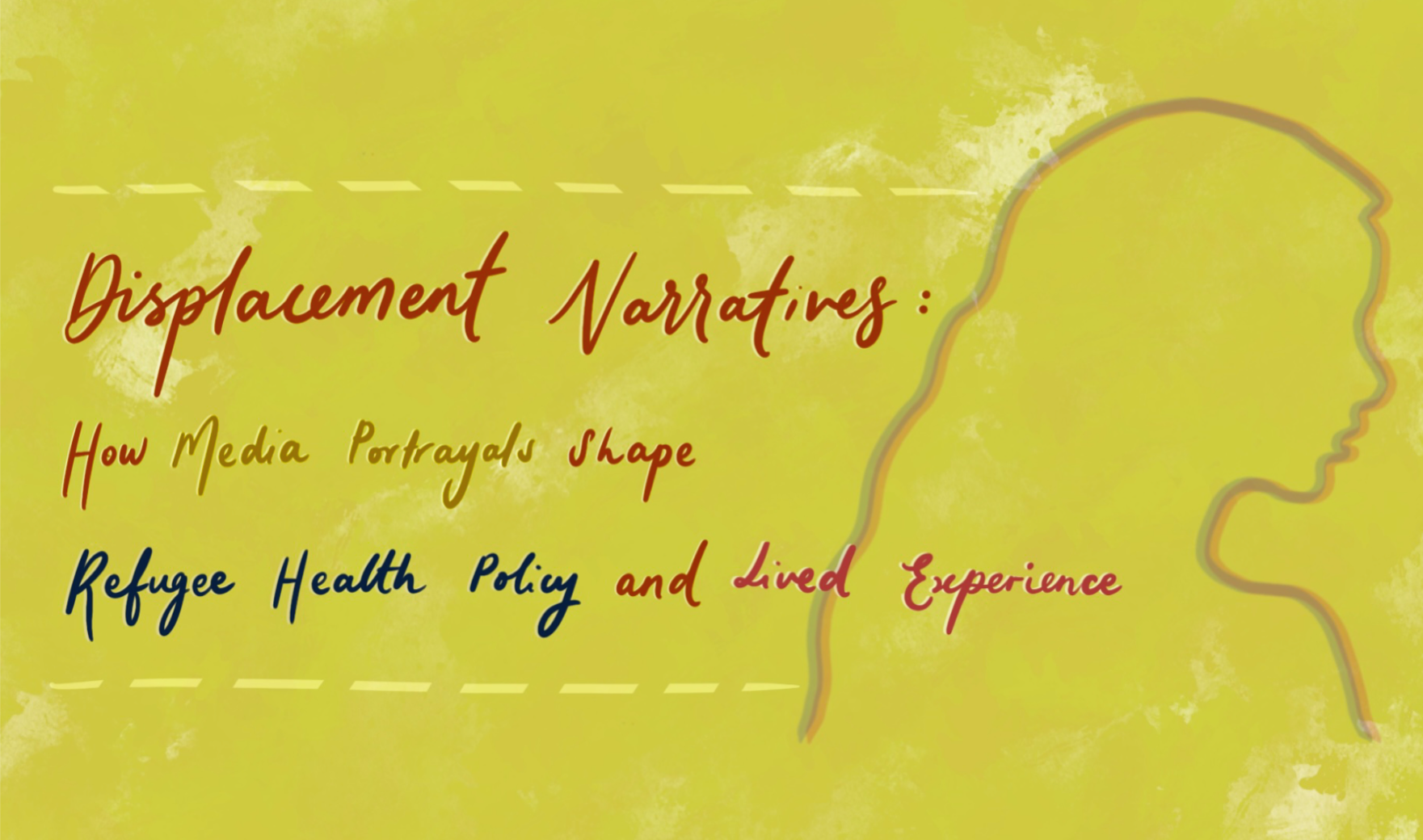
Photo illustration: Kellerine Quah
When researchers, clinicians, and people with lived experience of displacement came together at an event supported by Migration Oxford and the University of Oxford’s Centre on Migration, Policy and Society (COMPAS), one idea kept surfacing: media narratives are never neutral; they shape who is seen as vulnerable, who is treated as a threat, who is framed as a burden, and who is deserving of care.
For researchers, this raises an important question: how do we use big data to produce evidence about migrant health that moves beyond crisis and vulnerability, respects the complexity of migrants’ experiences, and involves communities meaningfully?
We’re using large-scale health data tools like OpenSAFELY and OpenCodeCounts to help answer that question.
How COVID-19 exposed inequalities in migrant health
At a time when protecting the whole population depended on healthcare access for the whole population, we found that migrants in the UK were disproportionately impacted by the COVID-19 pandemic.
Linking data from non-European Union migrants and resettled refugees with the national COVID-19 vaccination dataset in England and comparing it with England-wide estimates of vaccination coverage derived from OpenSAFELY, researchers at University College London found vaccination delays and overdue or missed doses for almost 500,000 non-EU migrants and resettled refugees compared with the general population in England between 8 December 2020 and 20 April 2022.
While vaccination delays among migrants in England varied by age, visa type, and ethnicity, researchers found that:
- Refugees had the highest risk of delayed second and third doses
- Black migrants were twice as likely to have a second dose delayed than white migrants
- Older migrants (>65 years) were four times less likely to have received their second or third dose compared with the general population in England aged 65 or older
While these data point to a combination of factors, such as lack of trust in the government and health system, limited culturally sensitive and language-appropriate messaging, and practical barriers to accessing vaccination services, understanding variation will be essential to informing future migrant-inclusive pandemic preparedness plans and routine immunisation programmes.
Understanding the gaps in the data: making migration coding visible
GP records hold 34 million migration-related codes, but the data captures some migrants far more reliably than others. In a recent blog post, we discussed how we used the OpenCodeCounts tool to examine how migration status is coded across English primary care from 2011 to 2025.
We found that over 1,100 different migration codes were used 34.2 million times, but unevenly, with two thirds of all migration-related coding relating to language (e.g. interpreter needs, main spoken language). Country of birth and immigration status were recorded less consistently. For research, this means that cohorts built from these codes will skew toward people with language barriers, potentially missing migrants from English-speaking countries or with strong English.
There’s also a legal status mismatch – 95% of legal status codes relate to asylum or refugee status, even though work and study visas are far more common routes into the UK. Ultimately, while the data reflects who gets coded as a migrant, it doesn’t accurately reflect who migrants actually are.
Closing the gap between data and lived experience
Understanding what the data misses is only part of the challenge; the other is ensuring that research is shaped by the people it concerns.
At the Bennett Institute, we’ve established a lived experience advisory group to advise us on clinical research priorities, as well as the ethical complexity of publishing results that could be misrepresented in media narratives, and methodological decisions about how to construct migrant cohorts responsibly – including how to handle the many patients in OpenSAFELY whose migration status is simply unknown.
Media narratives shape who is seen, but so do the data. Ensuring that migrants are seen accurately in data, not just as a legal status or a language barrier code, but as full and varied communities, is both a methodological challenge and a responsibility, but one that we’re determined to get right.
To learn more about our work with big mental health data, visit the Bennett Institute’s website, follow the Bennett Institute on LinkedIn and BlueSky, and sign up to receive notifications of the latest blog posts and newsletter updates.