

Toggle menu

Search the website

OpenSAFELY blog posts

  1. Posted
    Categories
    • OpenSAFELY

    Collaborate with us to advance mental health research

    We are looking for people to be part of a new Experience-led Public Advisory Group that will meet regularly to advise and guide the development phases of the OpenSAFELY-Talking Therapies programme.

  2. Posted
    Categories
    • OpenSAFELY

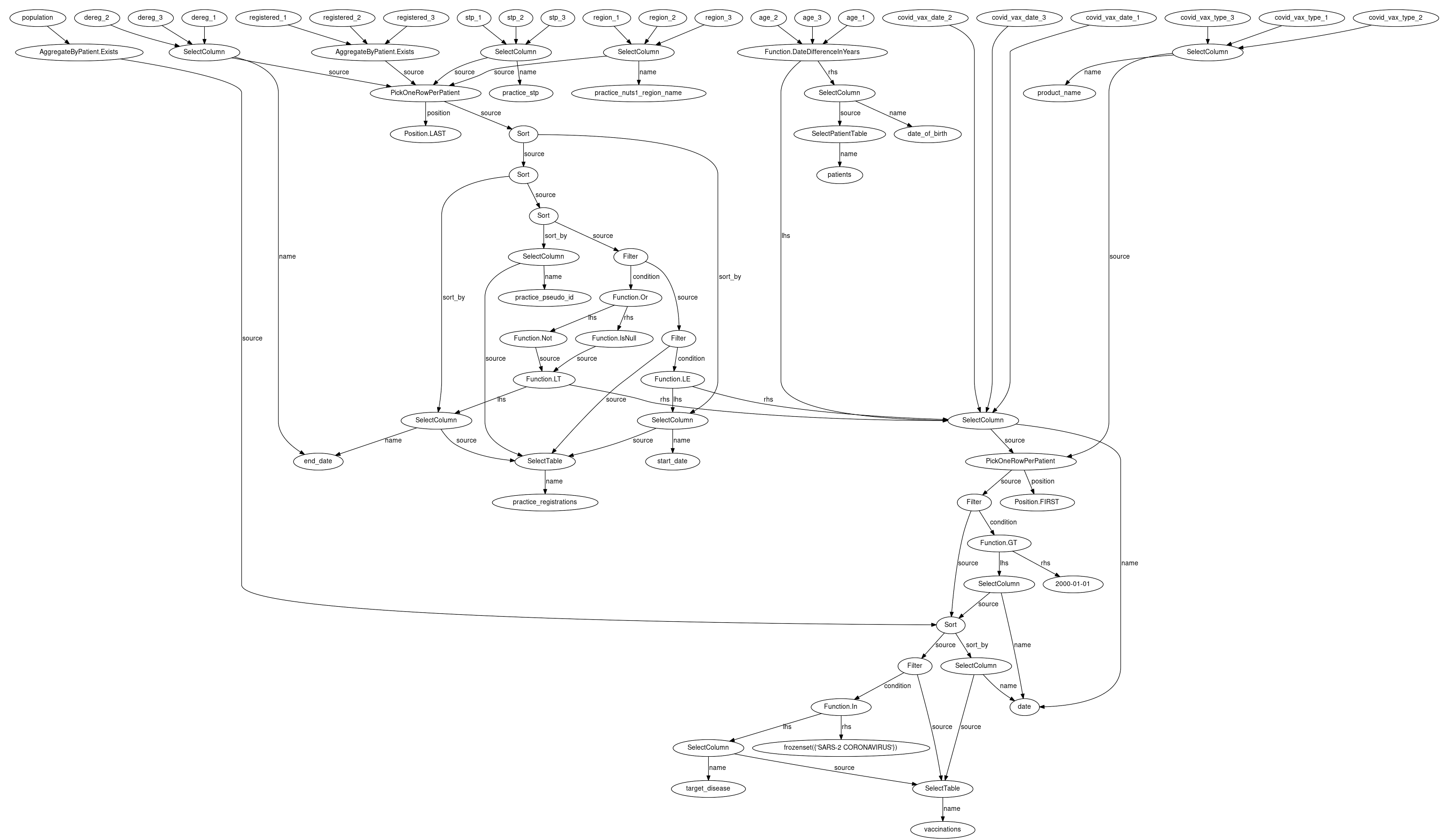
    Understanding ehrQL Feature Usage in OpenSAFELY for Health Research

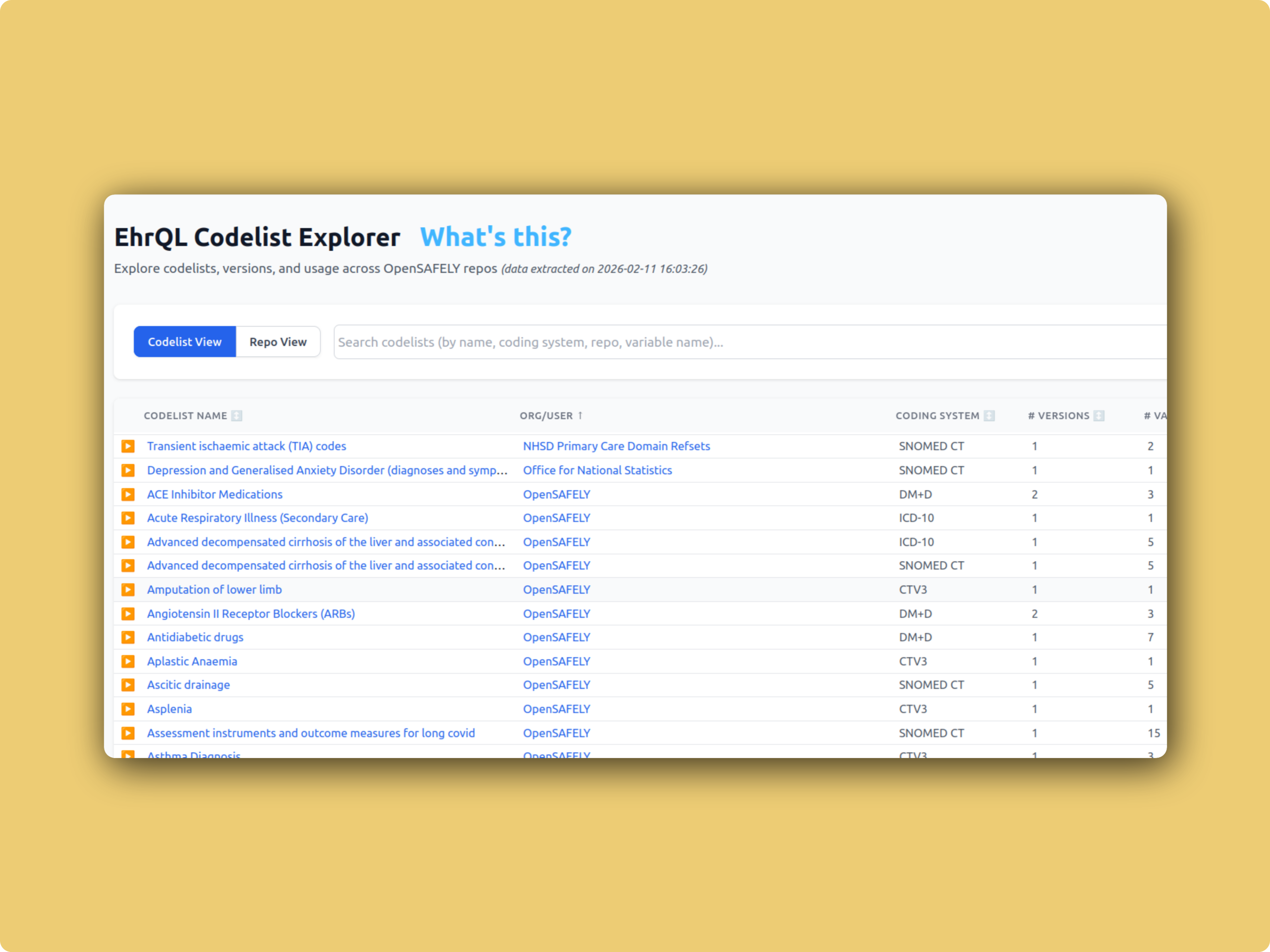
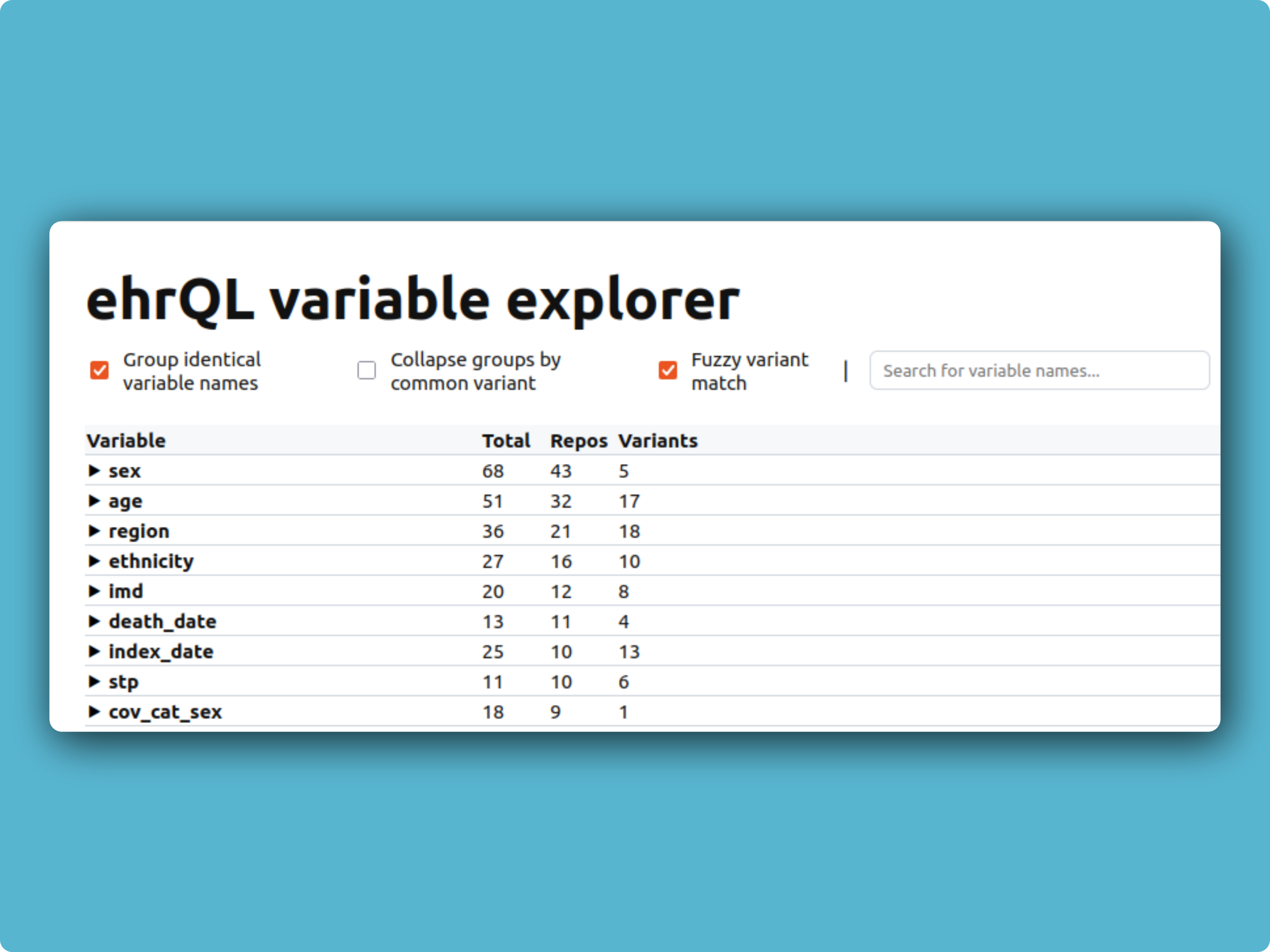
    This blog post shares the project I worked on during my summer internship at the Bennett Institute as part of the HDR UK Health Data Science programme. My project explored how ehrQL, is being used across OpenSAFELY repositories. I analysed 301 codefiles from 65 Repositories under the OpenSafely org. and was able to identified which features researchers rely on most, which are less common, and where improvements or additional support could be valuable.

  3. Posted
    Categories
    • OpenSAFELY

    Hiring software developers

    We have vacancies for two senior software developers to work on OpenSAFELY and our other products

  4. Posted
    Categories
    • OpenSAFELY

    OpenSAFELY, but new-R

    A new version of the OpenSAFELY R image with R 4.4.3 and updated libraries is available

  5. Posted
    Categories
    • OpenSAFELY

    What's next for OpenSAFELY?

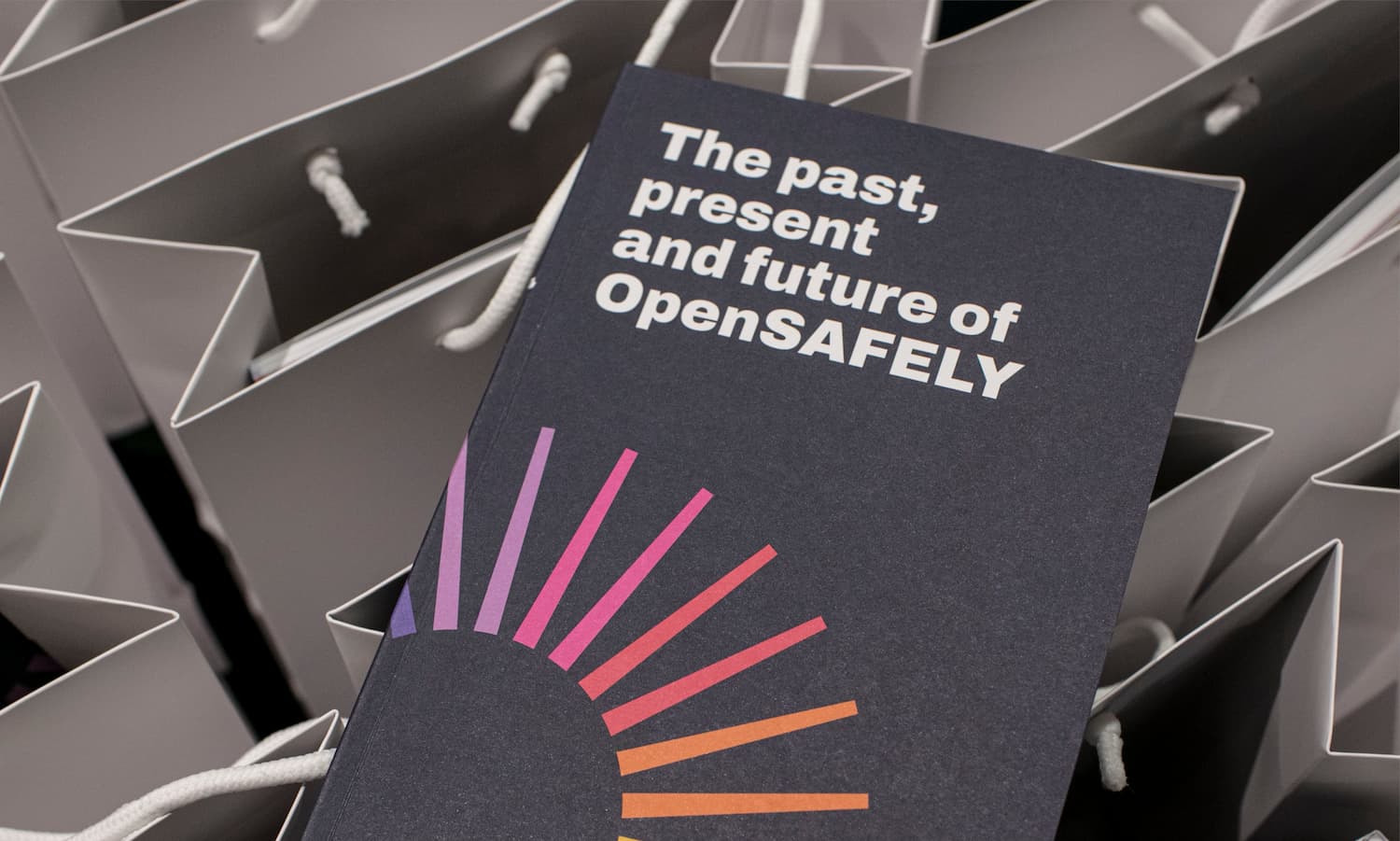
    Ben Goldacre on our short term future plans, as published in our booklet, “The past, present and future of OpenSAFELY”

  6. Posted
    Categories
    • OpenSAFELY

    Some reflections about funding

    Ben Goldacre reflects on OpenSAFELY’s funding journey to date, as published in our booklet, “The past, present and future of OpenSAFELY”

  7. Posted
    Categories
    • OpenSAFELY

    The OpenSAFELY Collaborative

    Ben Goldacre describes the collaboration that makes OpenSAFELY possible, as published in our booklet, “The past, present and future of OpenSAFELY”

  8. Posted
    Categories
    • OpenSAFELY

    OpenSAFELY and antibiotics

    A short OpenSAFELY case study from the University of Manchester, as published in our booklet, “The past, present and future of OpenSAFELY”

  9. Posted
    Categories
    • OpenSAFELY

    OpenSAFELY in brief

    In light of recent press coverage, Bennett boss Ben Goldacre explains what OpenSAFELY is, how it works, and why it matters - in just a few bullet points.

  10. Posted
    Categories
    • OpenSAFELY

    The 'unreal' speed of OpenSAFELY

    A short OpenSAFELY case study from the team at the London School of Hygiene and Tropical Medicine, as published in our booklet, “The past, present and future of OpenSAFELY”

  11. Posted
    Categories
    • OpenSAFELY

    Help us improve research into pregnancy and maternity care

    We want to understand what matters most in terms of the experience for people going through pregnancy and maternity care. We want to answer research questions that are important to women, so we’re very keen to find people with lived experience who want to be part of a Public Advisory Group to support this work

  12. Posted
    Categories
    • OpenSAFELY

    “No other platform comes close”

    A short OpenSAFELY case study from King’s College London, as published in our booklet, “The past, present and future of OpenSAFELY”

  13. Posted
    Categories
    • OpenSAFELY

    How OpenSAFELY began

    A short history of OpenSAFELY’s beginnings, as published in our booklet, “The past, present and future of OpenSAFELY”

  14. Posted
    Categories
    • OpenSAFELY

    Output checking helps to keep private data safe

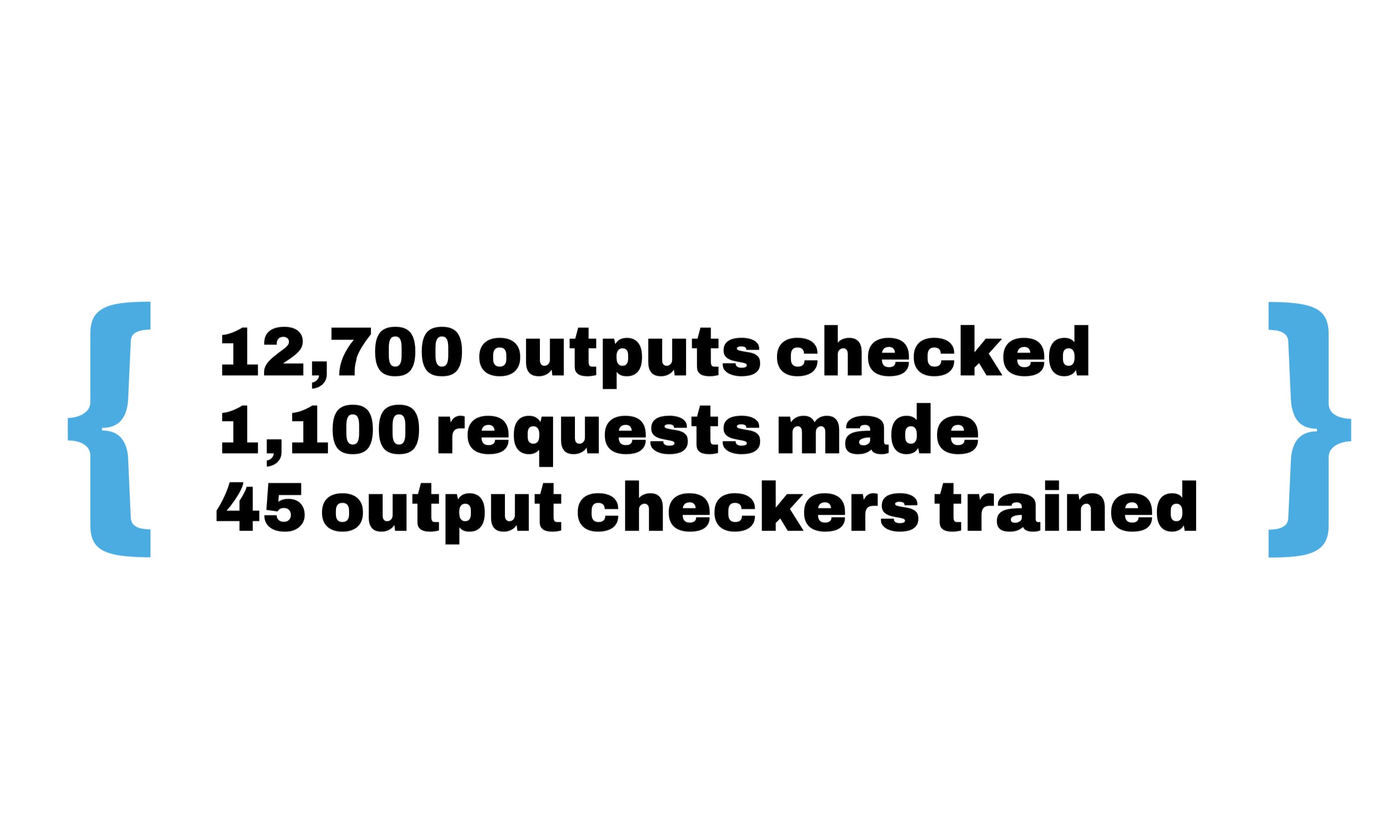
    A brief look at our output checking service how it works, and why it’s necessary. As published in our booklet, “The past, present and future of OpenSAFELY”
  15. Posted
    Categories
    • OpenSAFELY

    Co-pilots give newcomers a helping hand

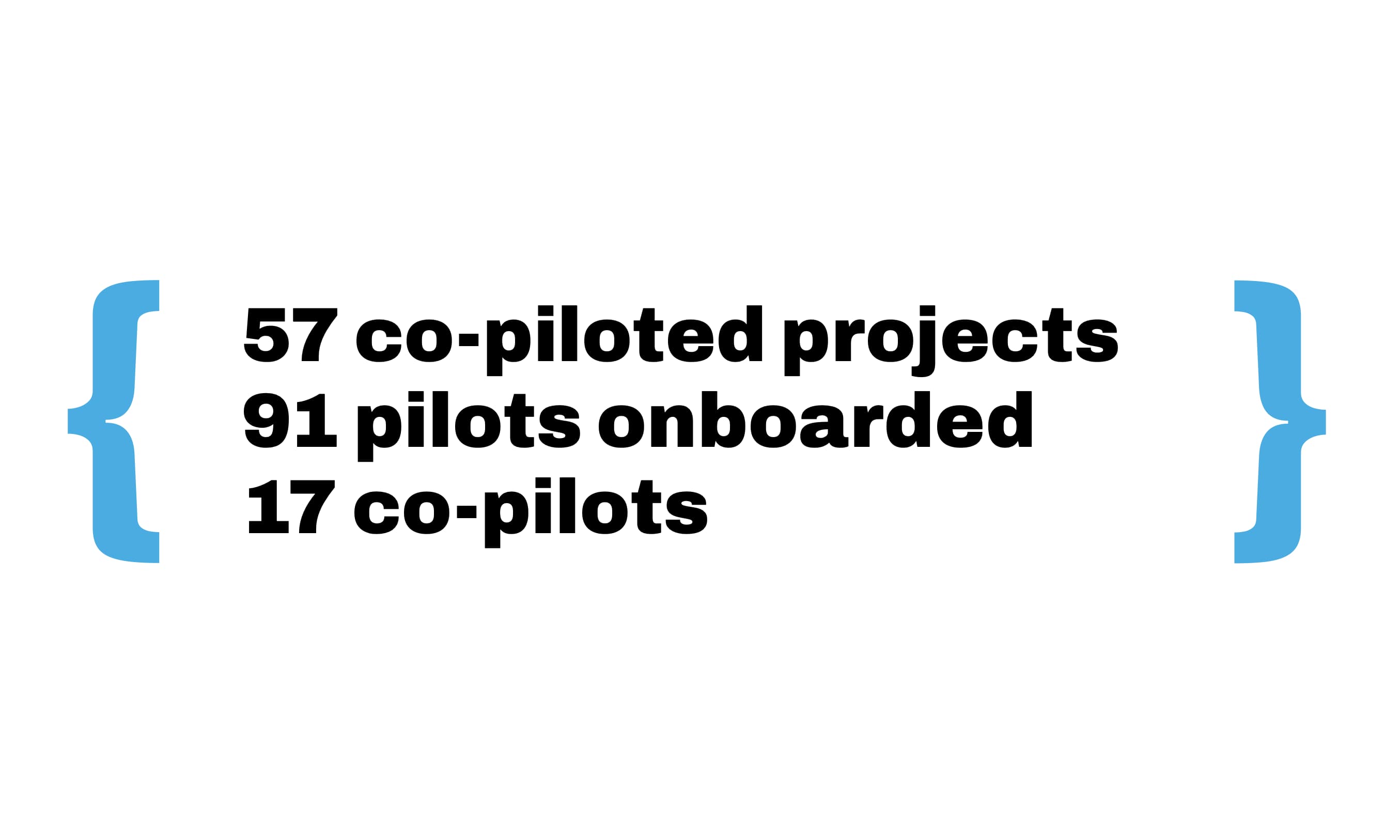
    A brief overview of our co-piloting programme, as published in our booklet, “The past, present and future of OpenSAFELY”

  16. Posted
    Categories
    • OpenSAFELY

    Testing ehrQL autocomplete

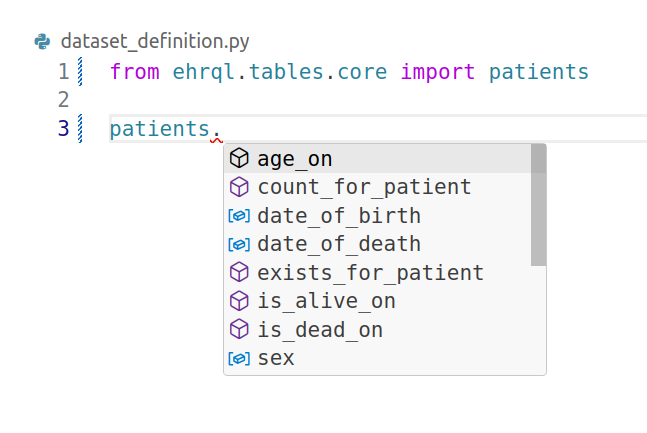
    We’ve greatly improved autocomplete when writing ehrQL. But how on earth do you test it automatically?

  17. Posted
    Categories
    • OpenSAFELY

    How OpenSAFELY works

    A brief overview of OpenSAFELY, as published in our booklet, “The past, present and future of OpenSAFELY”

  18. Posted
    Categories
    • OpenSAFELY

    Introducing Airlock

    Our new tool for viewing and releasing outputs

  19. Posted
    Categories
    • Policy Insights

    Walking the Walk on Code sharing

    Bennett research integrity lead, Nick DeVito, on the encouraging words about code sharing that Kamran Abbasi delivered at our recent OpenSAFELY Community Symposium.

  20. Posted
    Categories
    • OpenSAFELY

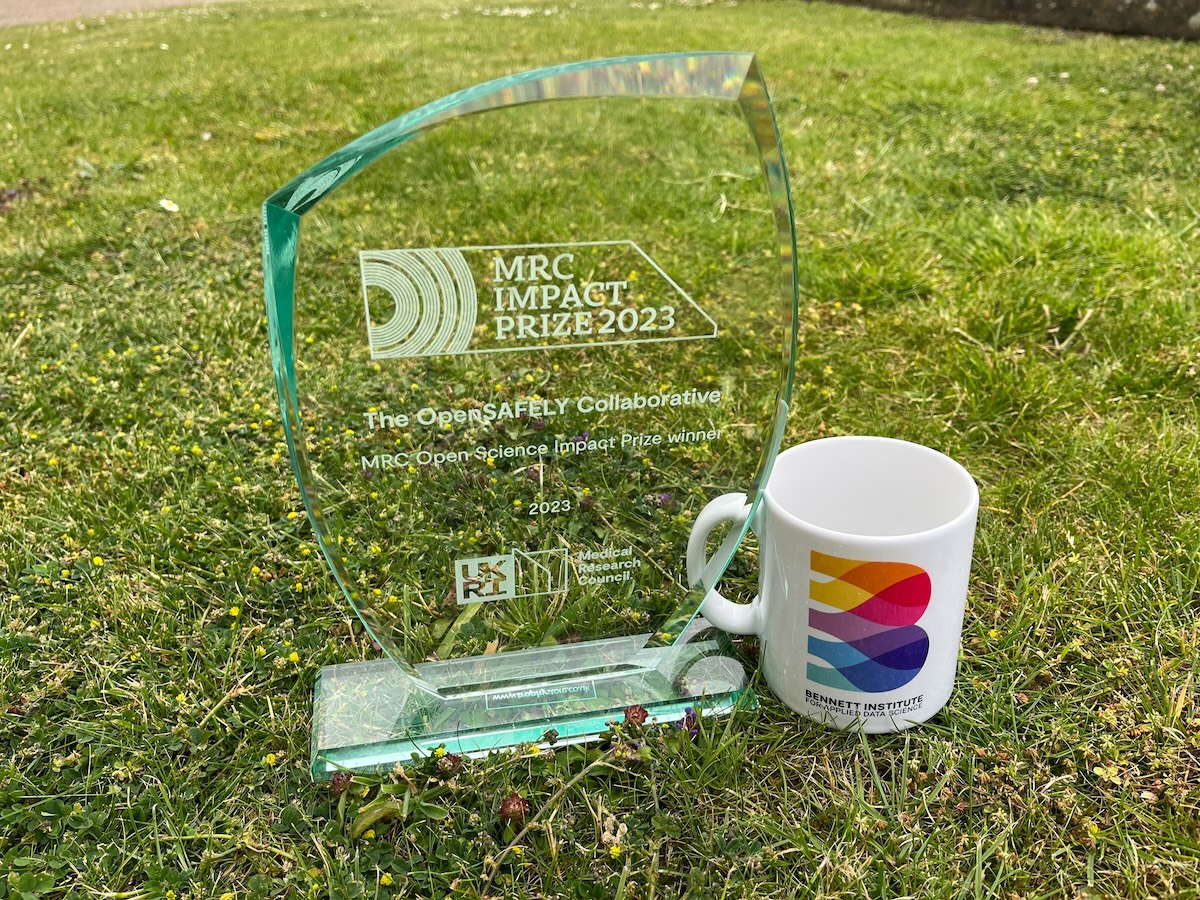
    We won an MRC award for open science

    Most of the time, we like to keep things fairly formal on this blog - but if you’ll forgive us a small indulgence, today we’re going to blow our own trumpet a little.

    A couple of weeks ago, my colleague Rose Higgins and I went to an event in London where this Institute was awarded the Open Science Impact award, as part of the MRC Impact Prize.

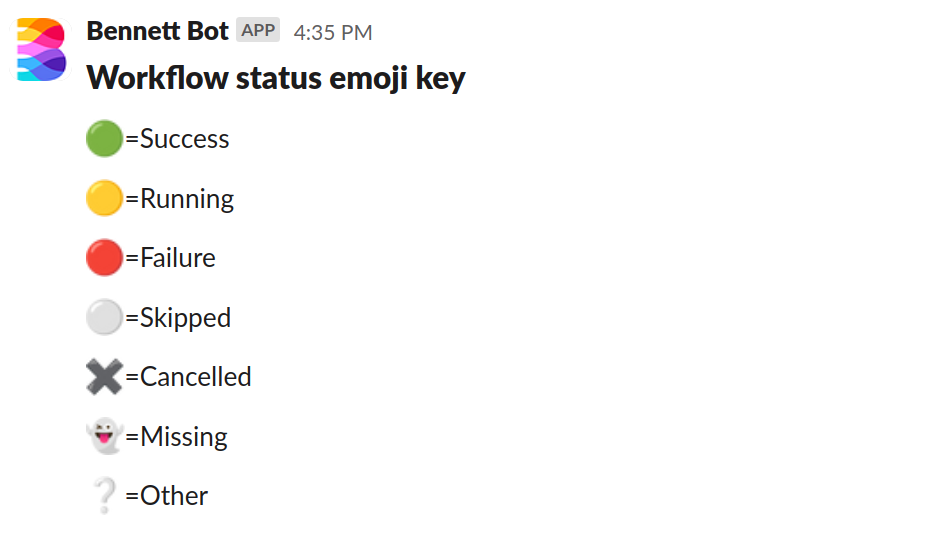
    We were, needless to say, over the moon about it. The whole team celebrated on Slack with a long list of appropriate emojis.

  21. Posted
    Categories
    • OpenSAFELY

    Research-ready computers in the cloud

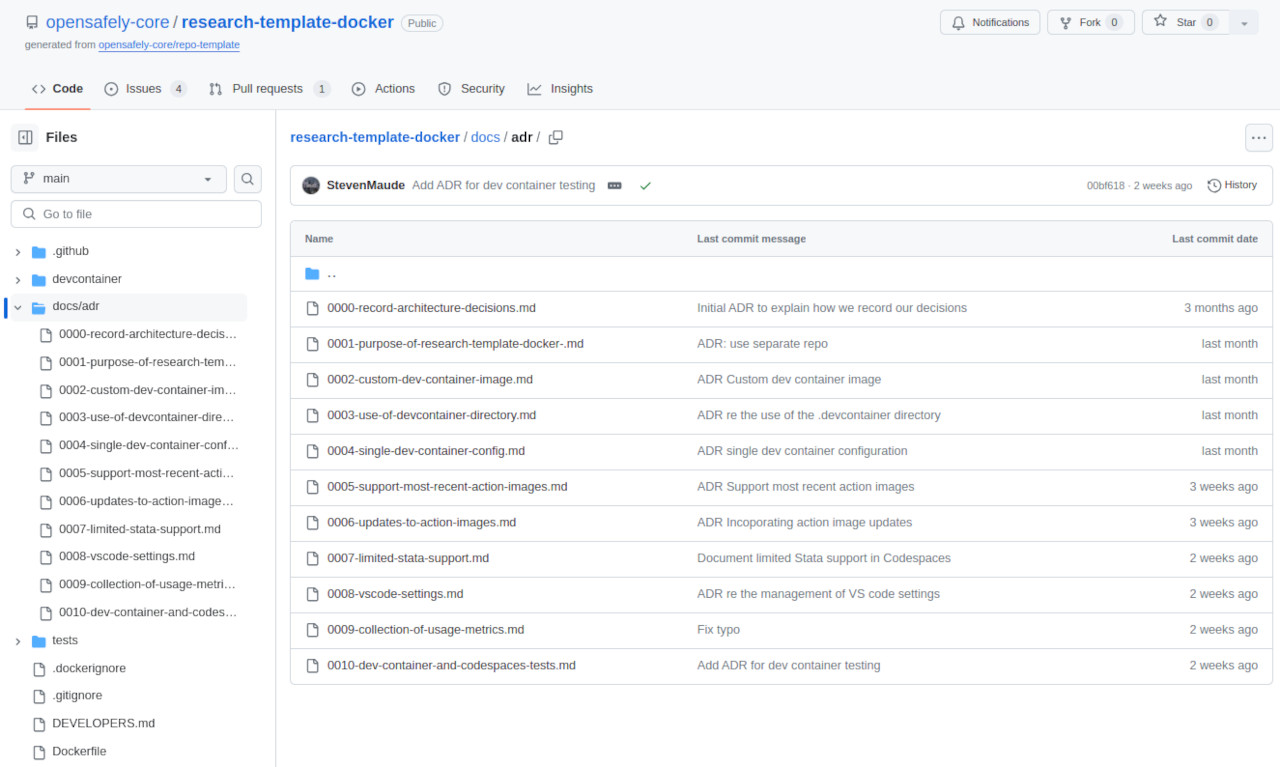
    Spend more time answering your research questions – and less time wrangling your computer – with GitHub Codespaces and the OpenSAFELY development container.

  22. Posted
    Categories
    • OpenSAFELY

    DMARD monitoring during the COVID-19 pandemic

    We describe some of our recent work investigating the impact of the COVID-19 pandemic on DMARD safety monitoring across >24 million patients’ records in England.

  23. Posted
    Categories
    • OpenPrescribing

    OpenPrescribing Newsletter: Spring 2024

    Debating STAR-PUs, launching Improvement Radar to identify prescribing improvements, and research on medication reviews during COVID-19.

  24. Posted
    Categories
    • OpenPrescribing

    OpenPrescribing Newsletter: Winter 2024

    Why prescribing analyses differ between platforms, a BNF-to-dm+d map, and updates to antibiotic and glucose test strip measures.

  25. Posted
    Categories
    • OpenSAFELY

    How we test ehrQL

    How can you be confident that the queries you write will be correctly interpreted and return the expected results?

  26. Posted
    Categories
    • OpenSAFELY

    Ethnicity Explainer

    To accompany the recent Ethnicity Short Data Report preprint we have created a short explainer for researchers using ethnicity in OpenSAFELY-TPP

  27. Posted
    Categories
    • OpenSAFELY

    Understanding Repeat Antibiotic Prescribing in the Pandemic: Insights On Health Inequalities

    The COVID-19 pandemic has reshaped many aspects of healthcare, including how antibiotics are prescribed in primary care settings. In this guest blog, Professor Diane Ashiru-Oredope lead pharmacist for antimicrobial resistance at UK Health Security Agency and our own Brian MacKenna, share some insights on repeat antibiotic prescribing and the link to health inequalities from a recent UK Health Security Agency analysis using OpenSAFELY.

  28. Posted
    Categories
    • OpenSAFELY

    Updates of OpenSAFELY Research on COVID-19 Therapeutics

    In this guest blog, Bang Zheng and Laurie Tomlinson from the London School of Hygiene and Tropical Medicine describe some of their lastest work on the comparative effectiveness and safety of currently recommended COVID-19 therapeutics in the community settings.

  29. Posted
    Categories
    • OpenPrescribing

    OpenPrescribing Newsletter: Autumn 2023

    NHS medicines optimisation tools, an investigation into rising colesevelam costs, and a look at the pharmacists behind OpenPrescribing.

  30. Posted
    Categories
    • OpenSAFELY

    Why ehrQL?

    Why did we create a new query language?

  31. Posted
    Categories
    • OpenSAFELY

    OpenSAFELY Service Restoration Observatory: Key Measures

    In this blog, we describe the development of a set of key measures used to monitor the ongoing impact of the COVID-19 pandemic on primary care as part of the OpenSAFELY Service Restoration Observatory (SRO). The results from this work have now been published in eLife.

  32. Posted
    Categories
    • OpenSAFELY

    OpenSAFELY for Impact: COVID-19 Therapeutics

    Millie and Laurie share how some of the outputs from the work on COVID-19 therapeutics have been used to inform policy and guidelines in the NHS and beyond.

  33. Posted
    Categories
    • OpenSAFELY

    Introduction to the Product Team

    Introducing the Bennett Institute’s Product team, where we talk about who we are, what we do and how we work.

  34. Posted
    Categories
    • OpenSAFELY

    The Opensafely Output Checking Service

    An outline the OpenSAFELY output checking service: who it involves, how our output checkers are trained and an overview of the output checking workflow.

  35. Posted
    Categories
    • OpenSAFELY

    Introduction to the Pipeline Team

    Introducing the Bennett Institute’s Pipeline team, where we talk about who we are, what we do and some of the products we’re responsible for.

  36. Posted
    Categories
    • OpenSAFELY

    Introduction to the Epidemiology Team

    Here we introduce the Bennett Institute’s Epidemiology team, explaining who they are, what they do, and why it is important.

  37. Posted
    Categories
    • OpenPrescribing

    Introduction to the Clinical Informatics Team

    Here we introduce the Bennett Institute’s Clinical Informatics team, explaining what they do and how their experience in NHS clinical practice helps them do this.

  38. Posted
    Categories
    • OpenSAFELY

    Introduction to the Data Team

    Hello, from the Bennett Institute’s Data Team! In this short blog post, we’ll describe our mission, our backgrounds in industry and academia, and what we’re working on now.

  39. Posted
    Categories
    • OpenSAFELY

    OpenSAFELY Research Highlights

    Here we outline some of the research that has been produced with OpenSAFELY, as well as the features that make it such a great platform for research.

  40. Posted
    Categories
    • OpenSAFELY

    OpenSAFELY NHS Service Analytics

    On 7th May 2020, the OpenSAFELY Collaborative pre-printed the world’s largest study into factors associated with death from COVID-19, based on an analysis running across the full pseudonymised health records of 40% of the English population.

  41. Posted
    Categories
    • OpenSAFELY

    Using electronic health records and open science in the COVID-19 pandemic

    We recently presented on behalf of our team (grp-EHR) at an open science workshop, hosted by the MRC Biostatistics Unit at the University of Cambridge. This was a great opportunity for us to reflect on our team’s experiences using OpenSAFELY, and more broadly embracing open and team science approaches to our work.

  42. Posted
    Categories
    • OpenSAFELY

    An Update on Our Co-piloting Programme: What's New?

    As a team of co-pilots, we regularly take time to discuss how co-piloted projects are going and what we can do to help pilots and co-pilots make the most of their time together.

  43. Posted
    Categories
    • OpenSAFELY

    Conducting Research Using OpenSAFELY: My Experience of the Co-pilot Service

    Rachel Seeley is the Head of Analytics at PrescQIPP CIC and has recently completed a project in OpenSAFELY on the safer use of anticoagulant medication. In this guest blog, Rachel describes her experience with using the OpenSAFELY platform and our co-pilot programme.

  44. Posted
    Categories
    • OpenPrescribing

    OpenPrescribing Newsletter: June 2022

    The launch of the Bennett Institute, the Goldacre Review, live Outlier Detection Dashboards, and new measures for DOACs and inhaler carbon footprints.

  45. Posted
    Categories
    • OpenSAFELY

    Invitation: CIPHA-OpenSAFELY Introduction Event

    CIPHA and OpenSAFELY are hosting an introduction event for researchers in the North West of England who would like to work with CIPHA data using OpenSAFELY.

  46. Posted
    Categories
    • OpenSAFELY

    Closing the STEM gap is a collective responsibility

    Our policy lead, Jess Morley, discusses the challenges involved in closing the gap in representation and reward for women working in these fields, and what we in the Bennett Institute are trying to do to help lower some of the associated barriers.

  47. Posted
    Categories
    • OpenPrescribing

    OpenPrescribing Newsletter: December 2021

    Previewing the Outlier Prescribing tool, updating measures and maps, and research on antidepressant prescribing and anticoagulant safety.

  48. Posted

    Categories
    • OpenSAFELY

    First Impressions of a New Start

    I joined Bennett Institute in August 2021 to work as a data scientist on OpenSAFELY. This blog post describes my experience getting up and running with the OpenSAFELY pipeline.

  49. Posted
    Categories
    • OpenSAFELY

    OpenSAFELY: Public Opinion

    This week sees the publication of an independent Citizens’ Jury commissioned for NHSx and the National Data Guardian which found that OpenSAFELY was by far the most strongly and consistently supported of all NHS COVID data projects examined.

  50. Posted
    Categories
    • OpenSAFELY

    OpenSAFELY: The Origin Story

    On our first anniversary, from the Policy Lead in the Bennett Institute, this is the brief story of the positive side from all our lives: how OpenSAFELY came to life, and what we’ve achieved so far.

  51. Posted
    Categories
    • Open Working

    Citing and Crediting Codelists: A discussion for the research community

    This is a draft discussion paper, the first of a series exploring “open team science” approaches to managing health data, and specifically how to create a collaborative computational data science ecosystem where the sharing and re-use of objects such as codelists and code is facilitated, encouraged, recognised, and rewarded. As a microcosm of this we have first explored “codelists”. There are currently no ‘answers’ or preferred solutions given. We will be holding an open discussion with the research community on 2nd March at 3pm - you can book to join us here.

  52. Posted
    Categories
    • OpenPrescribing

    OpenPrescribing Newsletter: November 2020

    New hospital medicines data, plans for OpenPrescribing Hospitals, research on clinical software design, and an oral morphine equivalence update.

  53. Posted
    Categories
    • Code

    OpenSAFELY Cohort Extractor

    This is the code for the OpenSAFELY cohort extractor tool which supports the authoring of OpenSAFELY-compliant research, by:

    1. Allowing developers to generate random data based on their study expectations. They can then use this as input data when developing analytic models.
    2. Supporting downloading of codelist CSVs from the OpenSAFELY codelists repository, for incorporation into the study definition
    3. Providing tools to understand and visualise the properties of real data, without having direct access to it

    It is also the mechanism by which cohorts are extracted from live database backends within the OpenSAFELY framework.

  54. Posted
    Categories
    • Code

    OpenSAFELY Job Runner

    This is the repository for the OpenSAFELY job runner. A job runner is a service that encapsulates: the task of checking out an OpenSAFELY study repo; executing actions defined in its project.yaml configuration file when requested via a jobs queue; and storing its results in a particular locations.

    The documentation is aimed at developers looking for an overview of how the system works. It also has some parts relevant for end users, particularly the project.yaml documentation.

  55. Posted
    Categories
    • Code

    OpenSAFELY Job Server

    This is the code for the OpenSAFELY job server designed for mediating jobs that can be run in an OpenSAFELY secure environment. The Django app provides a simple REST API which provides a channel for communicating between low-security environments (which can request that jobs be run) and high-security environments (where jobs are run).

  56. Posted
    Categories
    • OpenSAFELY

    What is OpenSAFELY?

    What is OpenSAFELY?

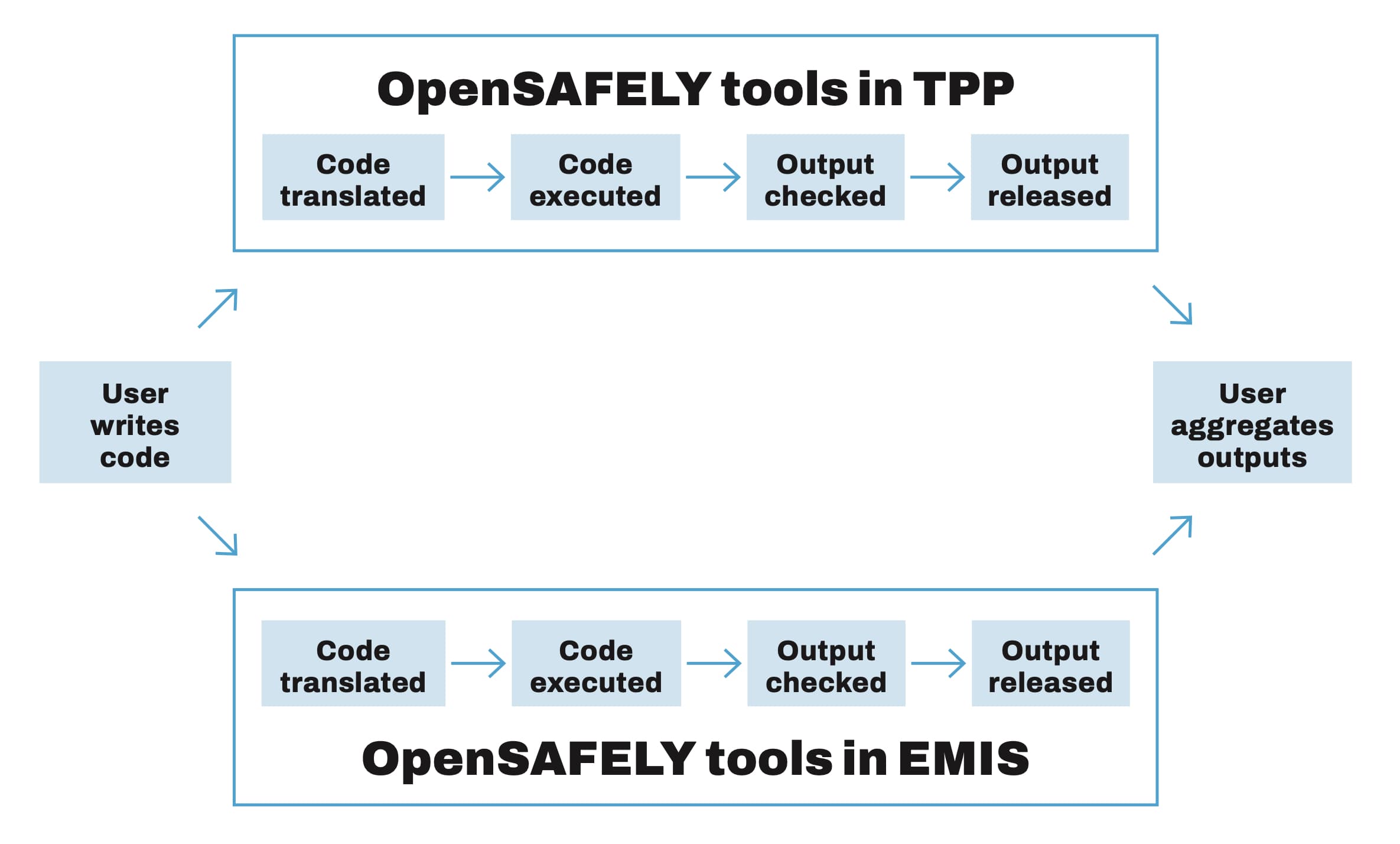
    Working on behalf of NHS England we have now built a full, open source, highly secure analytics platform running across the full pseudonymised primary care records of 24 million people, rising soon to 55 million, 95% of the population of England. We have pursued a new model: for privacy, security, low cost, and near-real-time data access, we have built the analytics platform inside the EHR data centre of the major EHR providers, where the data already resides; in addition we have built software that uses tiered increasingly non-disclosive tables to prevent researchers ever needing direct access to the disclosive underlying data to run analyses; code is developed against simulated data using open platforms before moving to the live data environment. Everything has run smoothly. We are fully live inside TPP; we are signed off with full data access and end-stage tech development for the computational platform with EMIS.

  57. Posted
    Categories
    • Open Working

    OpenPrescribing Newsletter: July 2020

    New papers on hospital medicines data, NHS analytics and statin prescribing, alongside updated CCG dashboards and OpenSAFELY COVID-19 research.

  58. Posted
    Categories
    • Open Working

    OpenPrescribing Newsletter: June 2020

    New research on unsafe methotrexate prescribing, bespoke prescribing email alerts, and analysis of COVID-19’s impact on prescribing in March 2020.

  59. Posted
    Categories
    • Open Working

    OpenPrescribing Newsletter: May 2020

    Introducing OpenSAFELY, COVID-19’s early impact on prescribing, rising price concession costs, and bespoke PCN email alerts.

  60. Posted
    Categories
    • OpenSAFELY

    Impact of COVID-19 on prescribing in English general practice: March 2020

    OpenPrescribing.net has been updated this week with the latest release of prescribing data covering March 2020. In-depth analysis will be needed over the coming months, but this release gives us the first glimpse into the impact that COVID-19 has had on prescribing. At the Bennett Institute we have been quite busy with the new secure analytics platform OpenSAFELY but the following blog is a rapid analysis of the March prescribing data which others may find helpful to focus their own investigations. As always, all our analytical code is openly available on our GitHub for inspection and reuse by anyone.